Imagen 1 de 6


Galería
Imagen 1 de 6



¿Quieres vender uno?
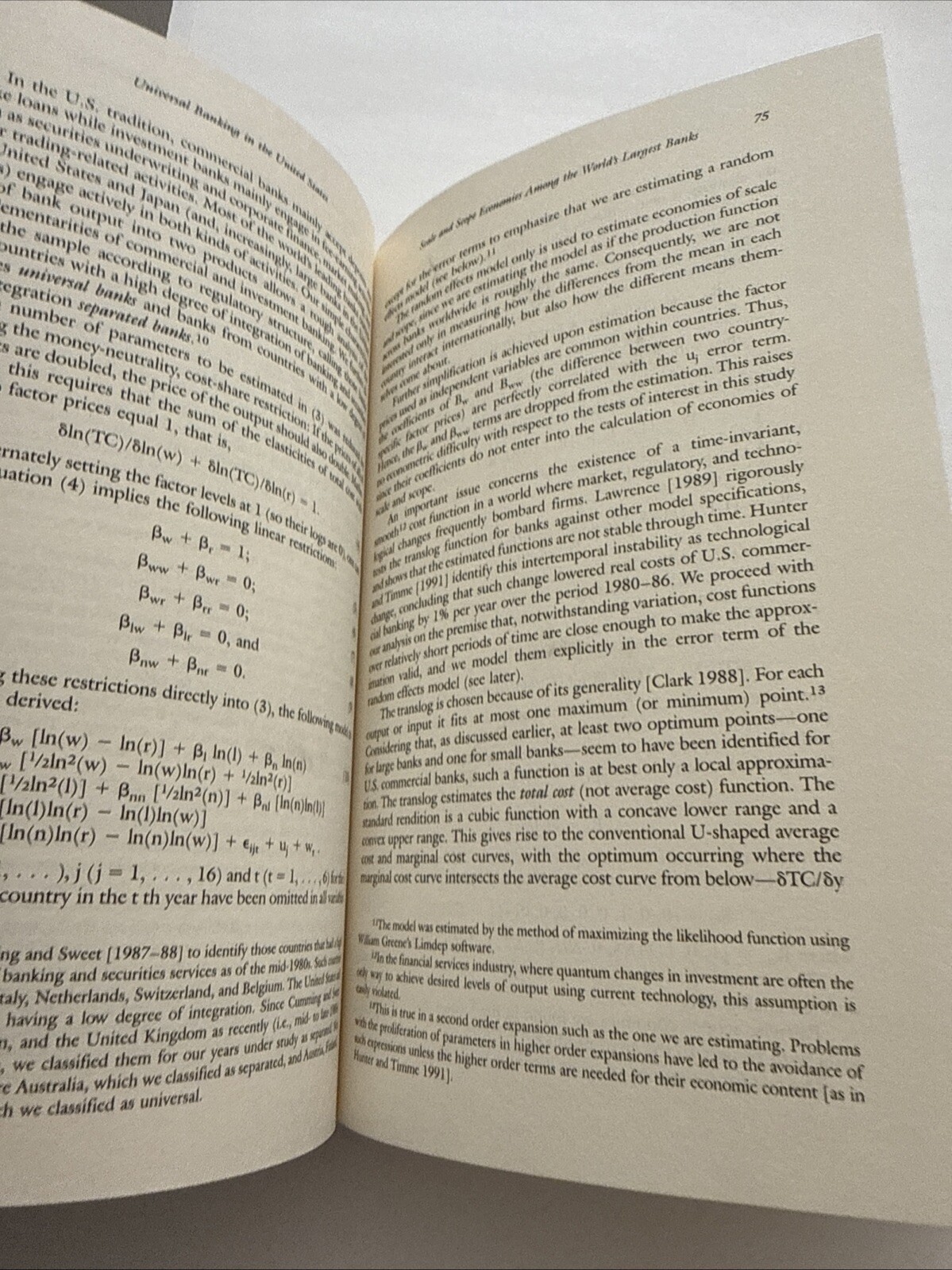
Universal Banking in the United States: What Could We Gain? What Could We Lose?

Pequod Used Books
(1446)
Vendedor particular
USD89,00
Aproximadamente76,48 EUR
Estado:
- ¡Cómpralo ya!Universal Banking in the United States: What Could We Gain? What Could We Lose?
Oops! Looks like we're having trouble connecting to our server.
Refresh your browser window to try again.
Envío:
Gratis USPS Media MailTM.
Ubicado en: Rocky Mount, North Carolina, Estados Unidos
Entrega:
Entrega prevista entre el sáb. 13 dic. y el sáb. 20 dic. a 94104
Devoluciones:
No se aceptan devoluciones.
Pagos:
Compra con confianza
Sobre este artículo
El vendedor asume toda la responsabilidad de este anuncio.
N.º de artículo de eBay:135539131529
Última actualización el 07 dic 2025 18:39:20 H.EspVer todas las actualizacionesVer todas las actualizaciones
Características del artículo
- Estado
- Country of Origin
- United States
- Pages
- 288
- Publication Date
- 1994-01-06
- Book Title
- Universal Banking in the United States: What Could We Gain? What
- ISBN
- 9780195080698
Acerca de este producto
Product Identifiers
Publisher
Oxford University Press, Incorporated
ISBN-10
0195080696
ISBN-13
9780195080698
eBay Product ID (ePID)
88083
Product Key Features
Number of Pages
288 Pages
Publication Name
Universal Banking in the United States : What Could We Gain? What Could We Lose?
Language
English
Publication Year
1994
Subject
Banks & Banking, International / Economics, Finance / General
Type
Textbook
Subject Area
Business & Economics
Format
Hardcover
Dimensions
Item Height
1.1 in
Item Weight
21.9 Oz
Item Length
9.5 in
Item Width
6.3 in
Additional Product Features
Intended Audience
College Audience
LCCN
92-041473
Reviews
"Saunders and Walter explain why and how the U.S. can benefit from adopting a regulatory structure that simultaneously relaxes restraints on the activities of private institutions and tightens restraints on these institutions' government supervisors. The key to safely unfetteringgovernment-guaranteed private players is to ensure that sensible capital requirements are formulated and enforced."--Edward J. Kane, Boston College, "That powers will be expanded for U.S. banks is a foregone conclusion, theonly question is when and how. In this book, Saunders and Walter providebankers, regulators, and the public with a roadmap of both the consequences ofpermitting banks to offer different types of new activities and the experiencesof foreign countries with alternative forms of universal banking."--George G.Kaufman, Loyola University, "Universal Banking in the United States: What could we gain? What could welose? by Anthony Saunders and Ingo Walter provides a very good exposition of themarket, regulatory, and policy dimensions associated with developing a universalbanking system in the United States. The book is highly recommended to those whowould like to get a better understanding of the pros and cons of universalbanking."--The Financier: ACMT, "Universal Banking in the United States: What could we gain? What could we lose? by Anthony Saunders and Ingo Walter provides a very good exposition of the market, regulatory, and policy dimensions associated with developing a universal banking system in the United States. The book is highlyrecommended to those who would like to get a better understanding of the pros and cons of universal banking."--The Financier: ACMT, "Universal Banking in the United States is an excellent book that providesa careful, in-depth analysis of the case for and against a shift to universalbanking in the US...Quite readable and extremely interesting. It is of interestto a wide audience, including bankers, regulators, and lobbyists, and should beread by every US legislator."--Bankers Magazine, "Universal Banking in the United States is an excellent book that provides a careful, in-depth analysis of the case for and against a shift to universal banking in the US...Quite readable and extremely interesting. It is of interest to a wide audience, including bankers, regulators, andlobbyists, and should be read by every US legislator."--Bankers Magazine, "The authors provide a wide-ranging, detailed survey of institutional differences in regulation and business practices of banking systems in various countries... this is a commendable book full of useful information, which provides a wealth of careful and accessible analysis for public policymakers, scholars, and graduate students interested in bank regulatory reform."--Journal of Economic Literature, "Universal Banking in the United Statesis an excellent book that provides a careful, in-depth analysis of the case for and against a shift to universal banking in the US...Quite readable and extremely interesting. It is of interest to a wide audience, including bankers, regulators, and lobbyists, and should be read by every US legislator."--Bankers Magazine "That powers will be expanded for U.S. banks is a foregone conclusion, the only question is when and how. In this book, Saunders and Walter provide bankers, regulators, and the public with a roadmap of both the consequences of permitting banks to offer different types of new activities and the experiences of foreign countries with alternative forms of universal banking."--George G. Kaufman,Loyola University "Saunders and Walter explain why and how the U.S. can benefit from adopting a regulatory structure that simultaneously relaxes restraints on the activities of private institutions and tightens restraints on these institutions' government supervisors. The key to safely unfettering government-guaranteed private players is to ensure that sensible capital requirements are formulated and enforced."--Edward J. Kane,Boston College "Universal Banking in the United States: What could we gain? What could we lose'by Anthony Saunders and Ingo Walter provides a very good exposition of the market, regulatory, and policy dimensions associated with developing a universal banking system in the United States. The book is highly recommended to those who would like to get a better understanding of the pros and cons of universal banking."--The Financier: ACMT "The authors provide a wide-ranging, detailed survey of institutional differences in regulation and business practices of banking systems in various countries... this is a commendable book full of useful information, which provides a wealth of careful and accessible analysis for public policy makers, scholars, and graduate students interested in bank regulatory reform."--Journal of Economic Literature, "Saunders and Walter explain why and how the U.S. can benefit fromadopting a regulatory structure that simultaneously relaxes restraints on theactivities of private institutions and tightens restraints on theseinstitutions' government supervisors. The key to safely unfetteringgovernment-guaranteed private players is to ensure that sensible capitalrequirements are formulated and enforced."--Edward J. Kane, BostonCollege, " Universal Banking in the United States is an excellent book that provides a careful, in-depth analysis of the case for and against a shift to universal banking in the US...Quite readable and extremely interesting. It is of interest to a wide audience, including bankers, regulators, and lobbyists, and should be read by every US legislator."-- Bankers Magazine "That powers will be expanded for U.S. banks is a foregone conclusion, the only question is when and how. In this book, Saunders and Walter provide bankers, regulators, and the public with a roadmap of both the consequences of permitting banks to offer different types of new activities and the experiences of foreign countries with alternative forms of universal banking."--George G. Kaufman, Loyola University "Saunders and Walter explain why and how the U.S. can benefit from adopting a regulatory structure that simultaneously relaxes restraints on the activities of private institutions and tightens restraints on these institutions' government supervisors. The key to safely unfettering government-guaranteed private players is to ensure that sensible capital requirements are formulated and enforced."--Edward J. Kane, Boston College " Universal Banking in the United States: What could we gain? What could we lose? by Anthony Saunders and Ingo Walter provides a very good exposition of the market, regulatory, and policy dimensions associated with developing a universal banking system in the United States. The book is highly recommended to those who would like to get a better understanding of the pros and cons of universal banking."-- The Financier: ACMT "The authors provide a wide-ranging, detailed survey of institutional differences in regulation and business practices of banking systems in various countries... this is a commendable book full of useful information, which provides a wealth of careful and accessible analysis for public policy makers, scholars, and graduate students interested in bank regulatory reform."-- Journal of Economic Literature, "Universal Banking in the United States is an excellent book that provides a careful, in-depth analysis of the case for and against a shift to universal banking in the US...Quite readable and extremely interesting. It is of interest to a wide audience, including bankers, regulators, and lobbyists, and should be read by every US legislator."--Bankers Magazine "That powers will be expanded for U.S. banks is a foregone conclusion, the only question is when and how. In this book, Saunders and Walter provide bankers, regulators, and the public with a roadmap of both the consequences of permitting banks to offer different types of new activities and the experiences of foreign countries with alternative forms of universal banking."--George G. Kaufman, Loyola University "Saunders and Walter explain why and how the U.S. can benefit from adopting a regulatory structure that simultaneously relaxes restraints on the activities of private institutions and tightens restraints on these institutions' government supervisors. The key to safely unfettering government-guaranteed private players is to ensure that sensible capital requirements are formulated and enforced."--Edward J. Kane, Boston College "Universal Banking in the United States: What could we gain? What could we lose? by Anthony Saunders and Ingo Walter provides a very good exposition of the market, regulatory, and policy dimensions associated with developing a universal banking system in the United States. The book is highly recommended to those who would like to get a better understanding of the pros and cons of universal banking."--The Financier: ACMT "The authors provide a wide-ranging, detailed survey of institutional differences in regulation and business practices of banking systems in various countries... this is a commendable book full of useful information, which provides a wealth of careful and accessible analysis for public policy makers, scholars, and graduate students interested in bank regulatory reform."--Journal of Economic Literature, "Universal Banking in the United States is an excellent book that provides a careful, in-depth analysis of the case for and against a shift to universal banking in the US...Quite readable and extremely interesting. It is of interest to a wide audience, including bankers, regulators, and lobbyists, and should be read by every US legislator."--Bankers Magazine"That powers will be expanded for U.S. banks is a foregone conclusion, the only question is when and how. In this book, Saunders and Walter provide bankers, regulators, and the public with a roadmap of both the consequences of permitting banks to offer different types of new activities and the experiences of foreign countries with alternative forms of universal banking."--George G. Kaufman, Loyola University"Saunders and Walter explain why and how the U.S. can benefit from adopting a regulatory structure that simultaneously relaxes restraints on the activities of private institutions and tightens restraints on these institutions' government supervisors. The key to safely unfettering government-guaranteed private players is to ensure that sensible capital requirements are formulated and enforced."--Edward J. Kane, Boston College"Universal Banking in the United States: What could we gain? What could we lose? by Anthony Saunders and Ingo Walter provides a very good exposition of the market, regulatory, and policy dimensions associated with developing a universal banking system in the United States. The book is highly recommended to those who would like to get a better understanding of the pros and cons of universal banking."--The Financier: ACMT"The authors provide a wide-ranging, detailed survey of institutional differences in regulation and business practices of banking systems in various countries... this is a commendable book full of useful information, which provides a wealth of careful and accessible analysis for public policy makers, scholars, and graduate students interested in bank regulatory reform."--Journal of Economic Literature, "That powers will be expanded for U.S. banks is a foregone conclusion, the only question is when and how. In this book, Saunders and Walter provide bankers, regulators, and the public with a roadmap of both the consequences of permitting banks to offer different types of new activities and theexperiences of foreign countries with alternative forms of universal banking."--George G. Kaufman, Loyola University, "The authors provide a wide-ranging, detailed survey of institutionaldifferences in regulation and business practices of banking systems in variouscountries... this is a commendable book full of useful information, whichprovides a wealth of careful and accessible analysis for public policy makers,scholars, and graduate students interested in bank regulatory reform."--Journalof Economic Literature
Dewey Edition
20
Illustrated
Yes
Dewey Decimal
332.1/0973
Table Of Content
1. Introduction: Banking Structure and Global Competition2. Measures of Competitive Performance in Global Financial Markets3. Economics of Scale and Scope Among the World's Largest Banks4. The Nature of Universal Banking5. The Risk of Nonbank Activities6. How Risky Would Universal Banks Be?7. Universal Banking and Reform of the Financial Safety Net8. Towards a Rational and Competitive Regulatory StructureAnnex: Summary of Laws Affecting Domestic Activities of Commercial Banks in Major Industrialized CountriesReferencesIndex
Synopsis
In 1933 and 1956, the United States sharply limited the kinds of securities activities, commercial activities, and insurance activities banks could engage in. The regulations imposed on banks back then remain in place despite profound changes in the economic environment, in the structure of the national and international financial markets, and in technology. In this span of time many industries, especially those confronting global competition, have transformed themselves dramatically in their efforts to survive and prosper. Not so in the American financial services sector, banks have largely remained stuck in an antiquated regulatory structure which has placed the burden of responding to the needs of market-driven structural change on the shoulders of the regulators and the courts in a constant search for loopholes in the law. The purpose of this book is to evaluate the case for and against eliminating the barriers that have so long existed between banking and other types of financial services in the United States. Universal Banking in the United States studies the consequences of bank regulation in the U.S. as it relates to competition in international financial markets. Anthony Saunders and Ingo Walter examine universal banking systems in other countries, especially Germany, Switzerland, and the U.K., and how they work. They then apply the lessons to U.S. banking, paying particular attention to the benchmarks of stability, equity, efficiency, and competitiveness against which the performance of national financial systems should be measured. In the end, the authors propose the outlines of a level playing field on which any number of forms of organization can grow in the financial services sector, in which universal banking is one of the permitted structures, and where regulation is linked to function., The purpose of this book is to evaluate the case for and against eliminating the barriers that have so long existed between banking and other types of financial services in the U.S. Universal banking systems in other countries are examined., In 1933 and 1956, the United States sharply limited the kinds of securities, commercial, and insurance activities banks could engage in. These regulations remain in place despite profound changes in the economic environment, in the structure of the national and international financial markets, and in technology. This book evaluates the case for and against eliminating these barriers. The authors study the consequences of bank regulation in the US as it relates to competition in international financial markets. They examine universal banking systems in other countries, especially Germany, Switzerland, and the UK, and how they work. They then apply the lessons to US banking, paying particular attention to the benchmarks of stability, equity, efficiency, and competitiveness against which the performance of national financial systems should be measured. They propose a level playing field on which any number of forms of organization can grow in the financial services sector, in which universal banking is one of the permitted structures, and where regulation is linked to function., This book studies the consequences of bank regulation in the United States as it relates to competition in international financial markets.
LC Classification Number
HG1588.S27 1994
Descripción del artículo del vendedor
Acerca de este vendedor

Pequod Used Books
100% de votos positivos•3,7 mil artículos vendidos
Registrado como vendedor particularPor tanto, no se aplican los derechos de los consumidores derivados de las leyes de protección de los consumidores de la UE. La Garantía al cliente de eBay sigue aplicando a la mayoría de compras. Más informaciónMás información
Categorías populares de esta tienda
Votos de vendedor (1.492)
- l***c (970)- Votos emitidos por el comprador.Últimos 6 mesesCompra verificadaTerrific!! Great item and in much better condition that I expected. The description and photos emphasized some supposed problems, but with the volume actually in hand, I can't even detect some of them. Excellent, protective packing and immediate shipping. A great deal and great service. Thanks.
- w***a (558)- Votos emitidos por el comprador.Mes pasadoCompra verificadaFast shipping, good communication, honest eBayer. Book arrived in described condition, extremely well-packaged to prevent damage.
- i***o (466)- Votos emitidos por el comprador.Últimos 6 mesesCompra verificadaItem that I ordered arrived in great condition. It was well-packaged such that the quality was maintained to exactly match the description. Great appearance and a solid value. Reasonable shipping.1900 First Edition LIFE OF JOHN PAUL JONES James Otis Dustjacket HB (#133445043779)
Pequod Used Books
100% de votos positivos•3,7 mil artículos vendidos
Registrado como vendedor particularPor tanto, no se aplican los derechos de los consumidores derivados de las leyes de protección de los consumidores de la UE. La Garantía al cliente de eBay sigue aplicando a la mayoría de compras. Más informaciónMás información
Categorías populares de esta tienda
Votos de vendedor (1.492)
- l***c (970)- Votos emitidos por el comprador.Últimos 6 mesesCompra verificadaTerrific!! Great item and in much better condition that I expected. The description and photos emphasized some supposed problems, but with the volume actually in hand, I can't even detect some of them. Excellent, protective packing and immediate shipping. A great deal and great service. Thanks.
- w***a (558)- Votos emitidos por el comprador.Mes pasadoCompra verificadaFast shipping, good communication, honest eBayer. Book arrived in described condition, extremely well-packaged to prevent damage.
- i***o (466)- Votos emitidos por el comprador.Últimos 6 mesesCompra verificadaItem that I ordered arrived in great condition. It was well-packaged such that the quality was maintained to exactly match the description. Great appearance and a solid value. Reasonable shipping.1900 First Edition LIFE OF JOHN PAUL JONES James Otis Dustjacket HB (#133445043779)